


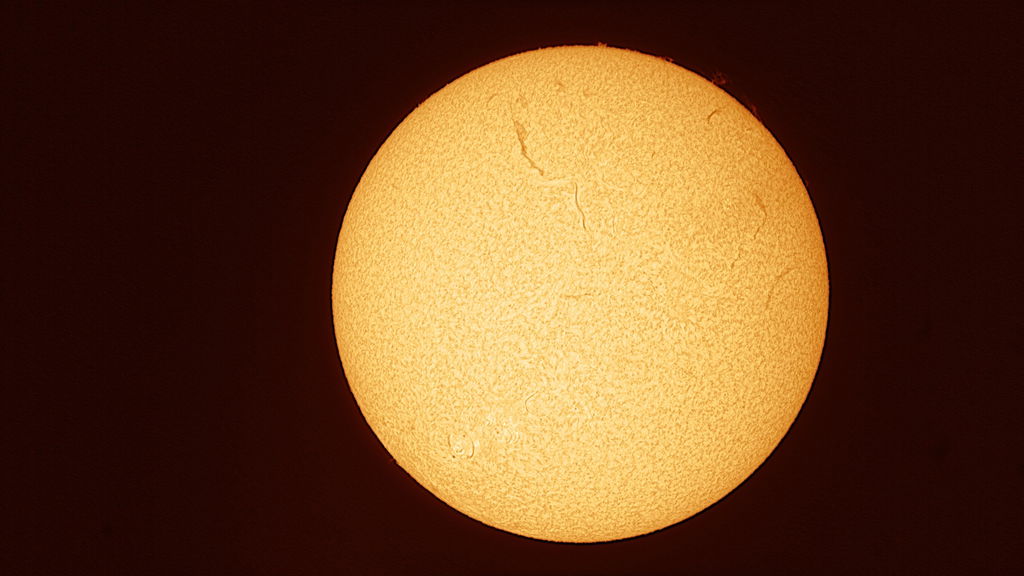
Camera settings: full resolution, RAW 12-bit mode.
1
of
7
Loading...
Quick Specs
G3M678M
IMX678 High-Speed USB 3.0 Mono Planetary Camera
Regular price
$299.00
Unit price
Shipping calculated at checkout.
G3M678M - Standard Version / Fjord Green is backordered and will ship as soon as it is back in stock.
Free Shippingon orders over $179
2-year warrantyfor peace of mind
Import taxescovered
Compatibility / Requirements
Compatibility / Requirements
The Standard Version uses a C-mount for standard accessories and telescopes. The Extended Version uses a CS-mount with a shorter flange focal distance for broader OAG compatibility. Both versions accept 1.25-inch filters when connected through a 1.25-inch extender.
Delivery and Shipping
Delivery and Shipping
Shipping options and checkout-calculated delivery details are shown before payment.
Warranty and Support
Warranty and Support
For setup support, software downloads and warranty service, contact ToupTek Astro support with your order information.
Reviews (12)
Reviews (12)
D
Using it for H-Alpha photografie with a Acuter Phoenix Elite Telescope, the Sun fits perfectly on the sensor. Picture quality is very good
G
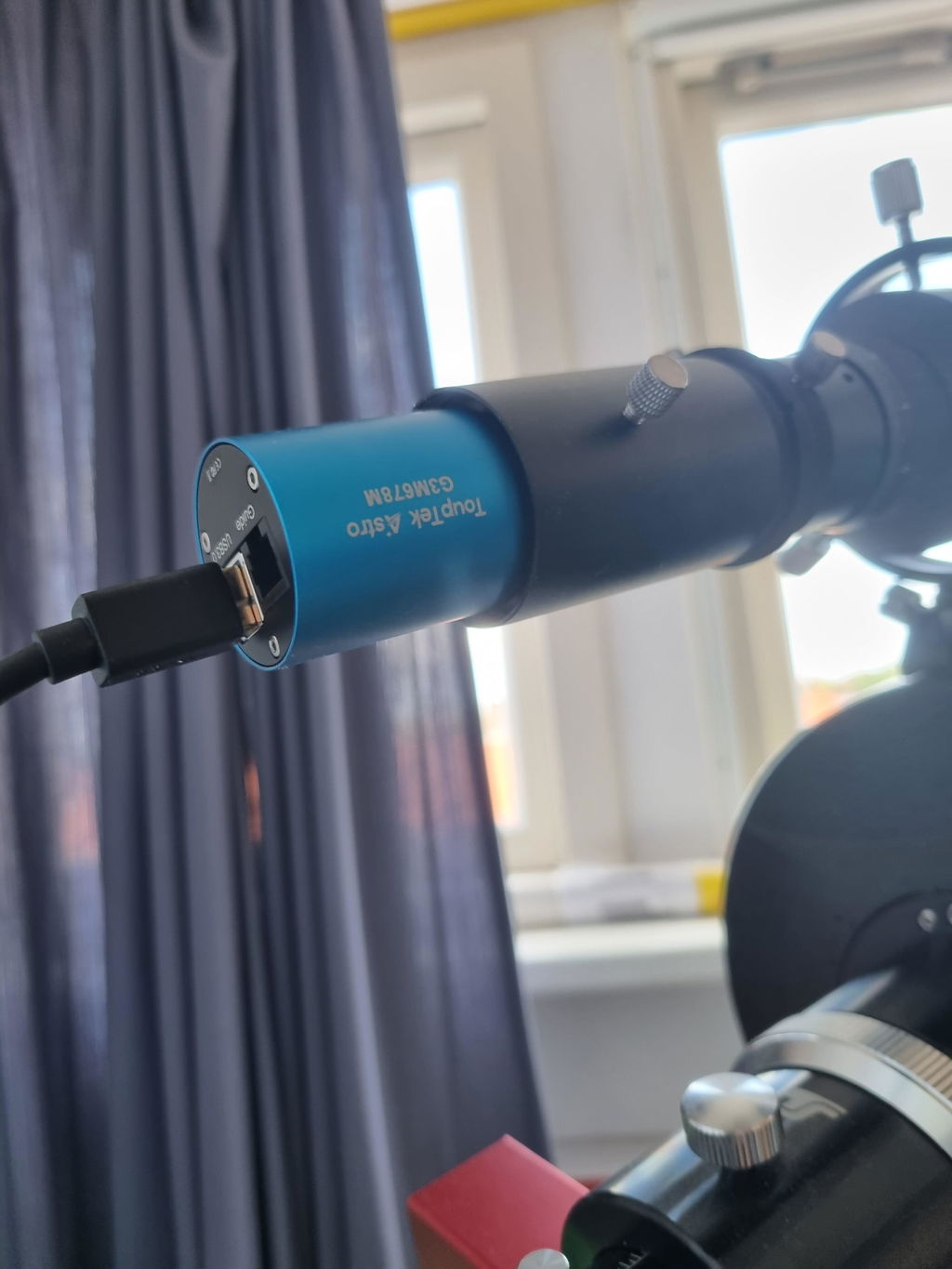
Good value for the money. Very versatile camera for finder scope, guide scope and as the main camera for planetary imaging.
y
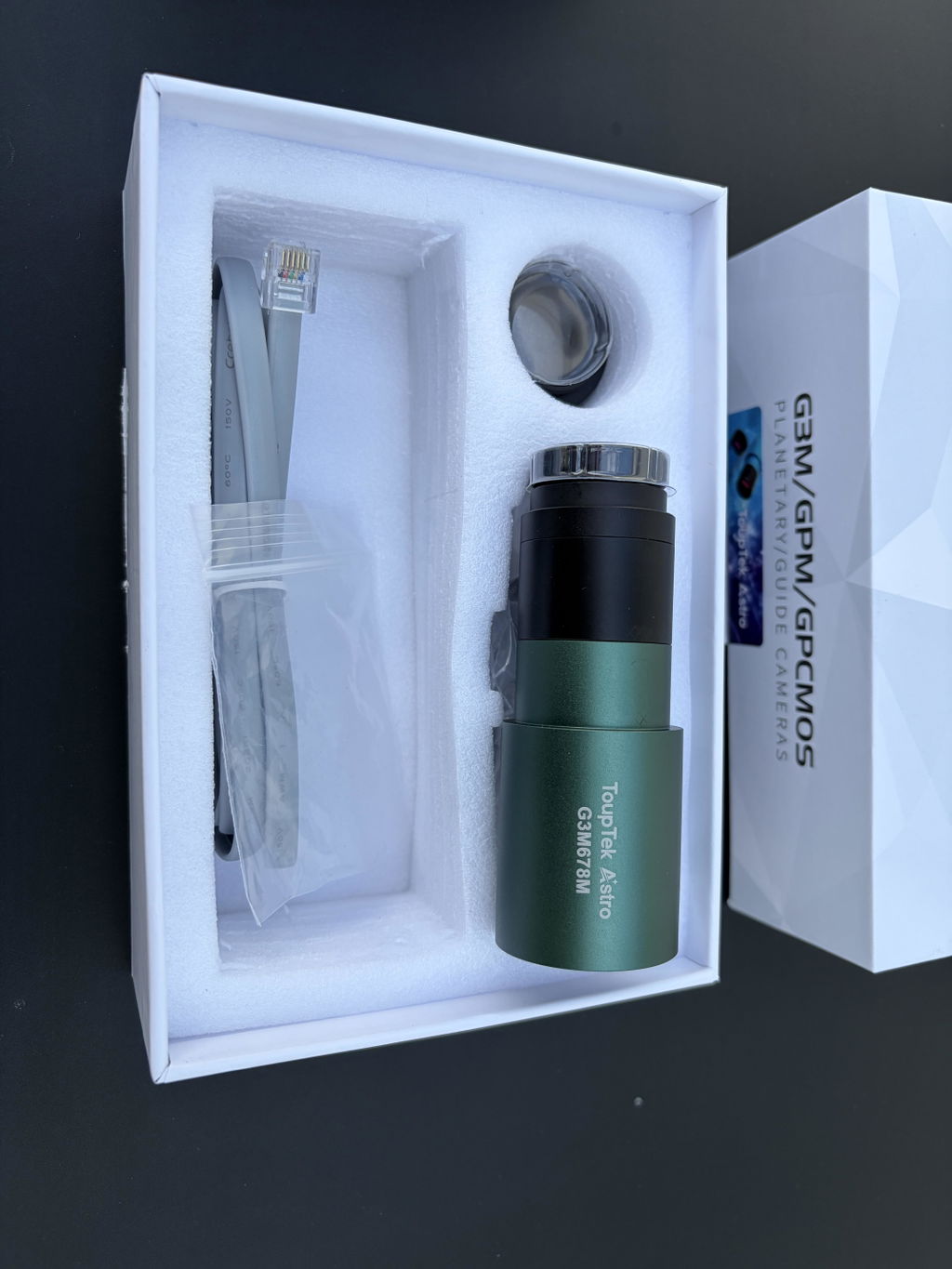
This is a truly excellent monochrome planetary camera. Its performance is outstanding, and I was especially pleased with the option to order it in my choice of color. It's even better that you can purchase an LP filter and lenses together for Milky Way photography! Highly recommended!
H
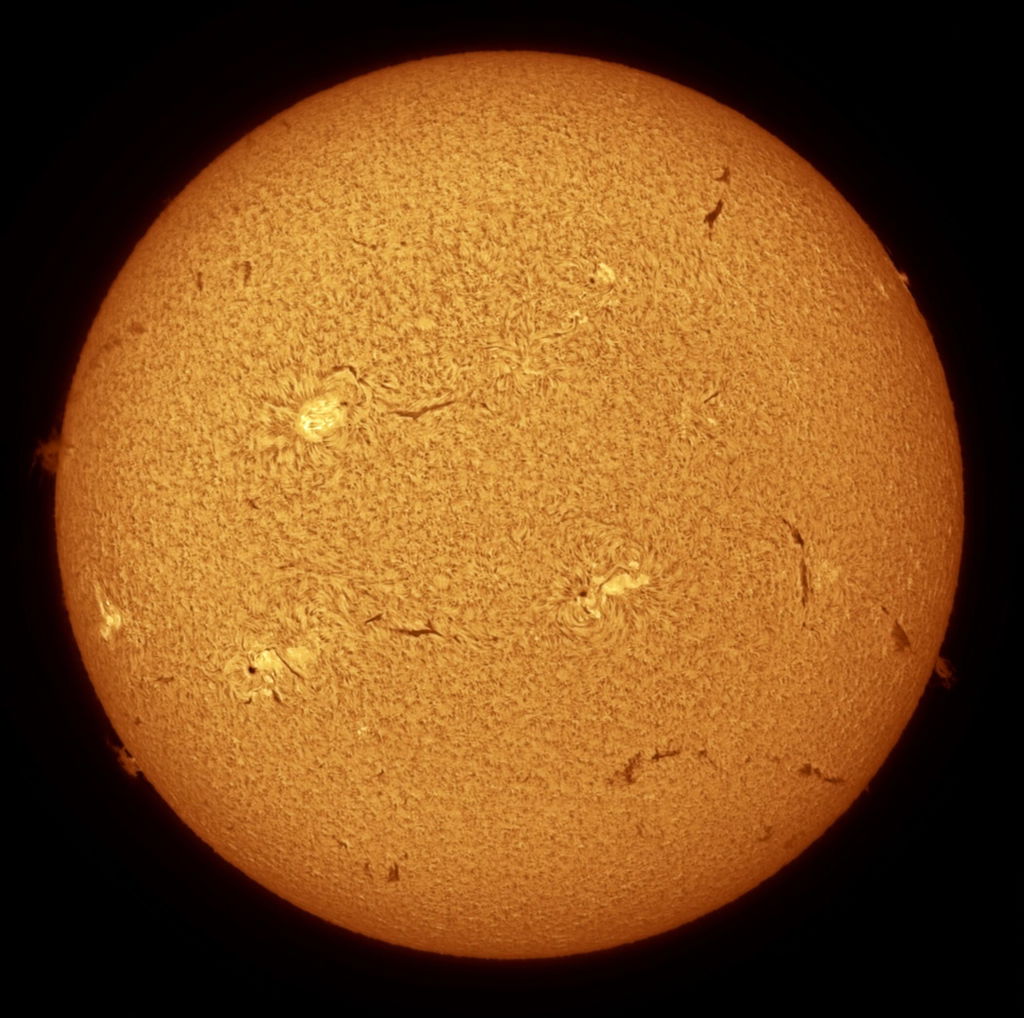
G3M678M is a great little camera. I use it with my solarscope Acuter Phönix which matches perfect for the full disc while revealing great detail.
Have a look here: https://www.instagram.com/p/DYG-GOyDVHS/?igsh=NXJvZWlzbzZvcW1t
M
Very top of the line camera for hydrogen alpha solar imaging. That was the right choice. I recomend this camera for all solar imagers.
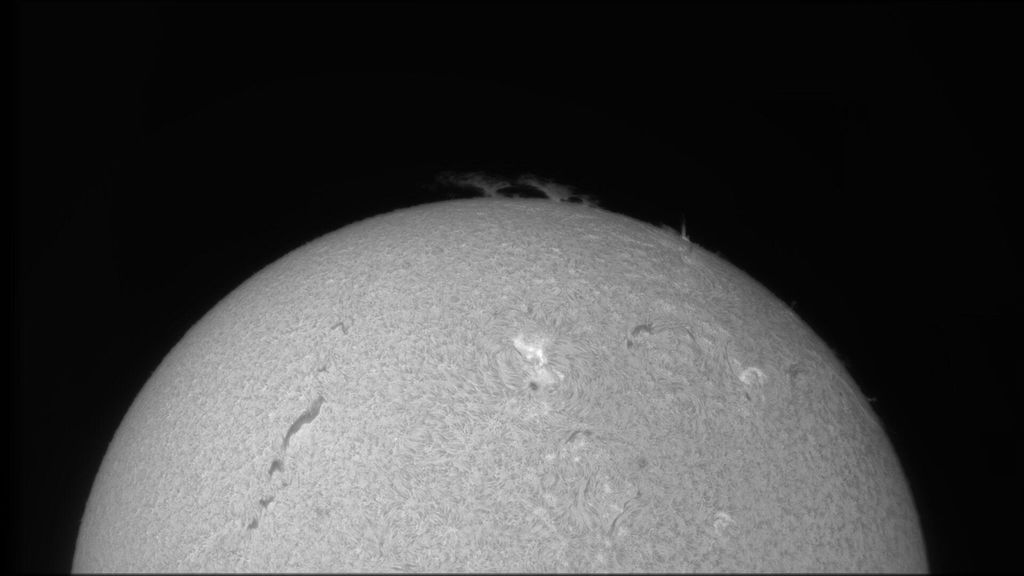
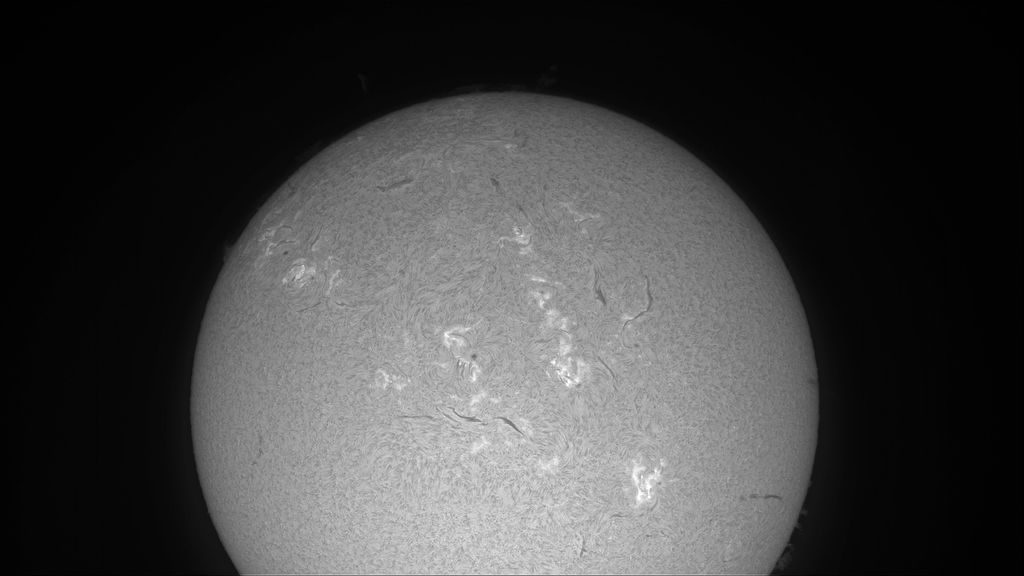
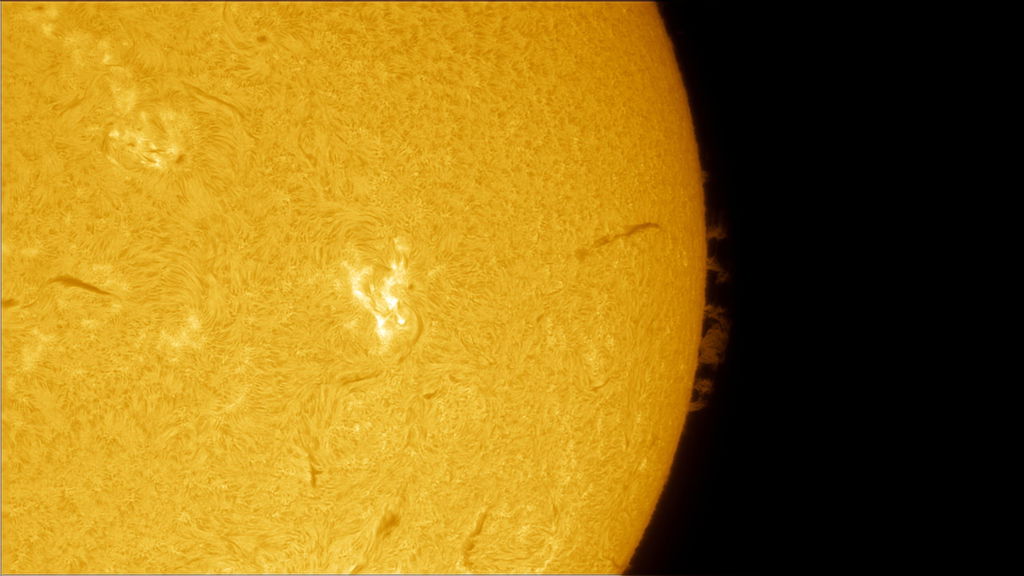
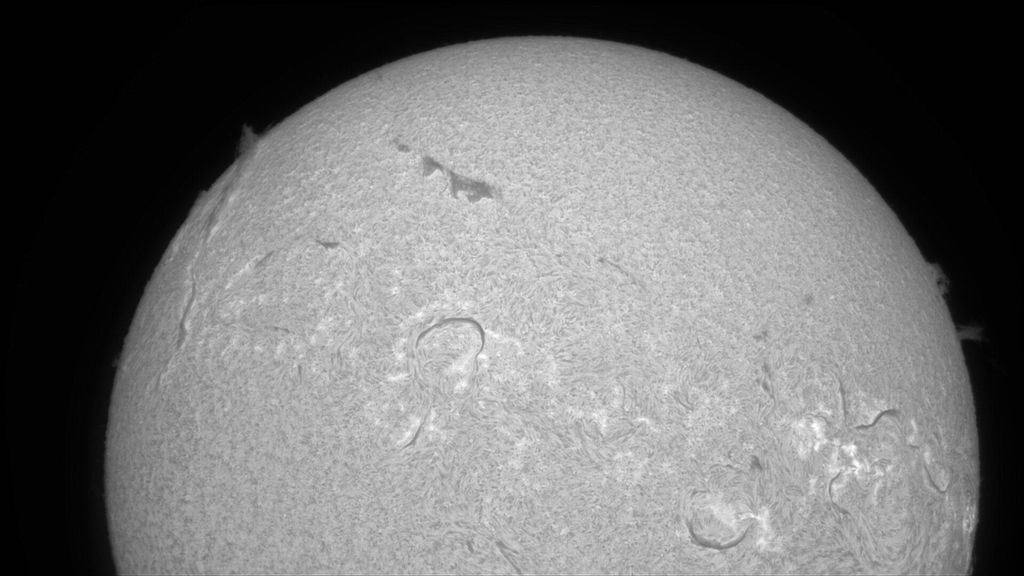
S
Here are some photos taken with my Celestron SCT C8

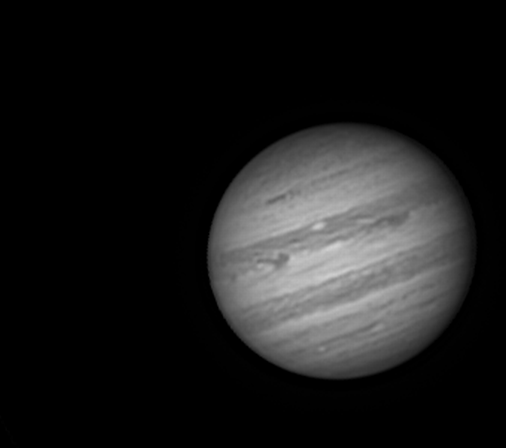
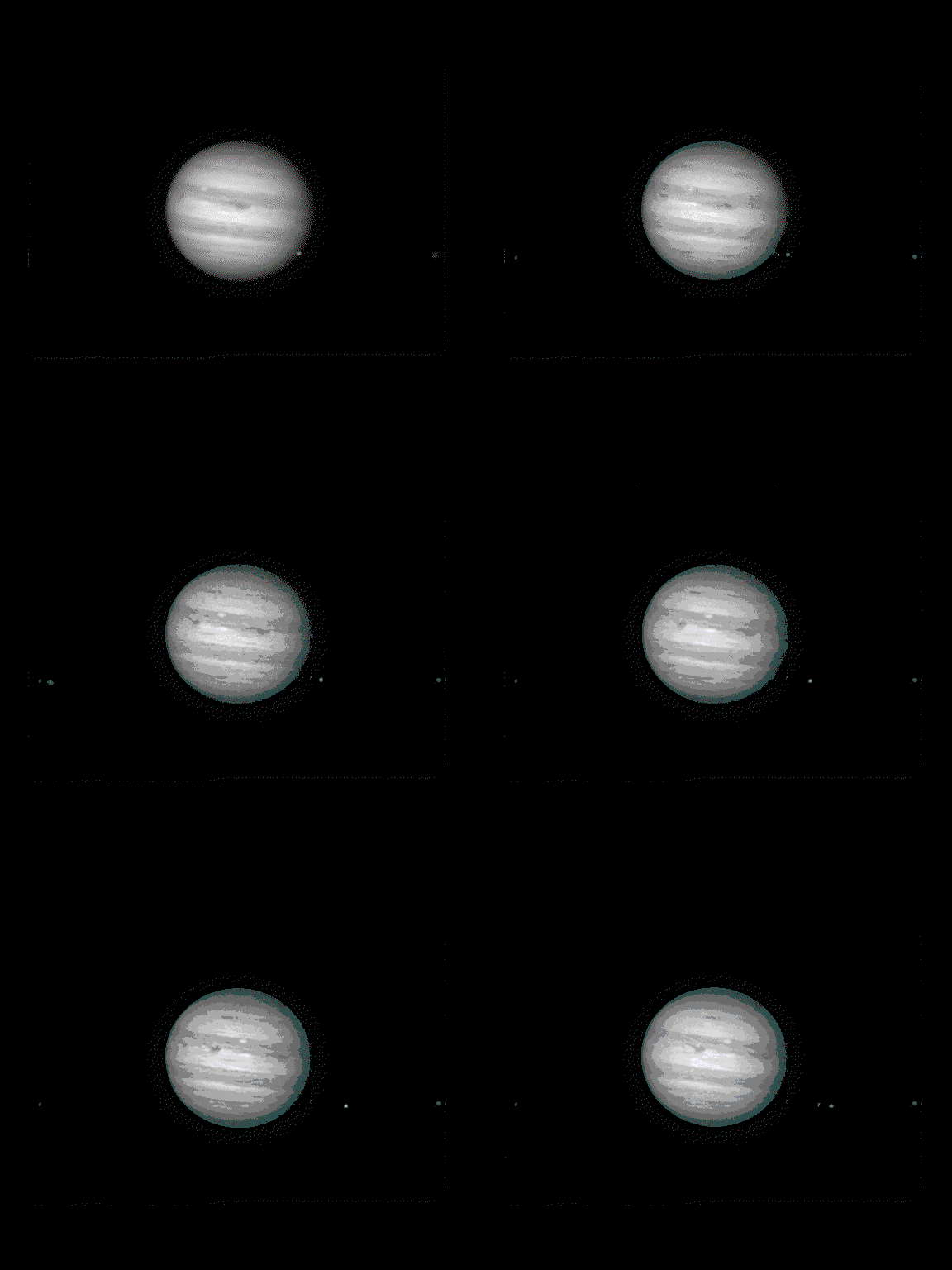
E
Very quick shipment. Excellent camera.
I use it with the ML Astro SHG700, good match.
No problems as guiding scope as well (PHD2).
D
Awesome camera. Using it for solar, better than my old 178M.
F
This Camera is basically as sensitive as the 662M, but with a marge larger field of view and resolution which is important for multistar guiding. Originally I though maybe I need to go for binning...nope. I seldomly had such a clear, wide sky in phd2. My new favourite, I guess I will buy some more.
C
This is my best camera for combine with my planetary setup. C11 and a lot of filters for planetary capture. Especially for Saturn, Jupiter and others...in few days you can visit my youtube channel for a review. (astroterrat youtube channel)
A
Superb products
M
No puedo opinar porque no he recibido mi pedido. Si algún día lo recibo actualizaré esta nota con mi experiencia.
Siento no poder dar una opinión más útil.
Full Specifications
Full Specifications

G3M678M - Standard Version / Fjord Green is backordered and will ship as soon as it is back in stock.
Meet G3M678M
Unmatched Sensitivity & High-Speed Performance
Powered by Sony’s advanced IMX678 monochrome sensor, the G3M678M features exceptional Quantum Efficiency (QE) and extended Near-Infrared (NIR) sensitivity. Unrestricted by a Bayer color filter array, this monochrome camera captures 100% of incoming photons across all visible and NIR wavelengths, dramatically boosting image contrast and detail.

Flexible ROI Mode & Ultra-High Frame Rate Imaging

Equipped with a high-speed USB 3.0 interface, upgraded driver architecture, and full 12-bit ADC output, the G3M678M achieves extreme frame rates up to 1500+ FPS in custom ROI modes-delivering maximum dynamic range, smooth tonal transitions, and ultra-fast capture performance to freeze atmospheric turbulence and lock onto fine planetary, lunar, and solar details through lucky imaging.
*Note: At ultra-high frame rates (≥1500fps), dropped frame probability may vary depending on the user's video capture hardware. When using performance-limited capture devices, 740fps in 12-bit mode is recommended.
G3M678M Planetary Camera Performance Analysis
The Sony IMX678 monochrome sensor extends sensitivity into the near-infrared band and records without Bayer filter losses.
Mono VS Color
Which Do You Need For Planetary Imaging?
One-Shot Color (OSC) Planetary Cameras
Equipped with an RGB Bayer filter array, One-Shot Color planetary cameras capture true-color planetary videos in a single sequence without requiring filter wheels or costly filter sets. While highly efficient for fast-rotating planets like Jupiter, Bayer interpolation causes physical resolution and sensitivity losses, as pixels are split between red, green, and blue light collection.

Monochrome Planetary Cameras
Monochrome planetary cameras capture raw light across 100% of the pixel array with no Bayer filter losses, delivering maximum spatial resolution, superior SNR, and razor-sharp surface details. Although producing true-color LRGB images requires capturing sequential RGB streams using a filter wheel, the sensor's extreme sensitivity enables shorter exposure times to freeze atmospheric turbulence. It also unlocks specialized imaging using CH4 (Methane), UV, and IR-Pass filters for advanced planetary, lunar, and solar details.

Unlocking Planetary Details
NIR Imaging & Atmospheric Penetration
Saturn by TritonYung
Paired with an 850nm IR-Pass or 890nm Methane (CH4) filter, the G3M678M isolates deep atmospheric structures on Jupiter and Saturn, revealing subtle cloud dynamics invisible in standard light.
Why Choose G3M Series Planetary Camera
512MB DDR3 High-Speed Buffer & Sony STARVIS 2 Technology
Built on Sony’s next-generation STARVIS 2 back-illuminated technology, the sensor features reduced dark current, lower readout noise, and higher dynamic range. Coupled with an onboard 512MB DDR3 high-speed RAM buffer, the G3M series guarantees smooth, frame-drop-free data transfer while preventing sensor heating and buffer-induced artifacts during long recording sequences.

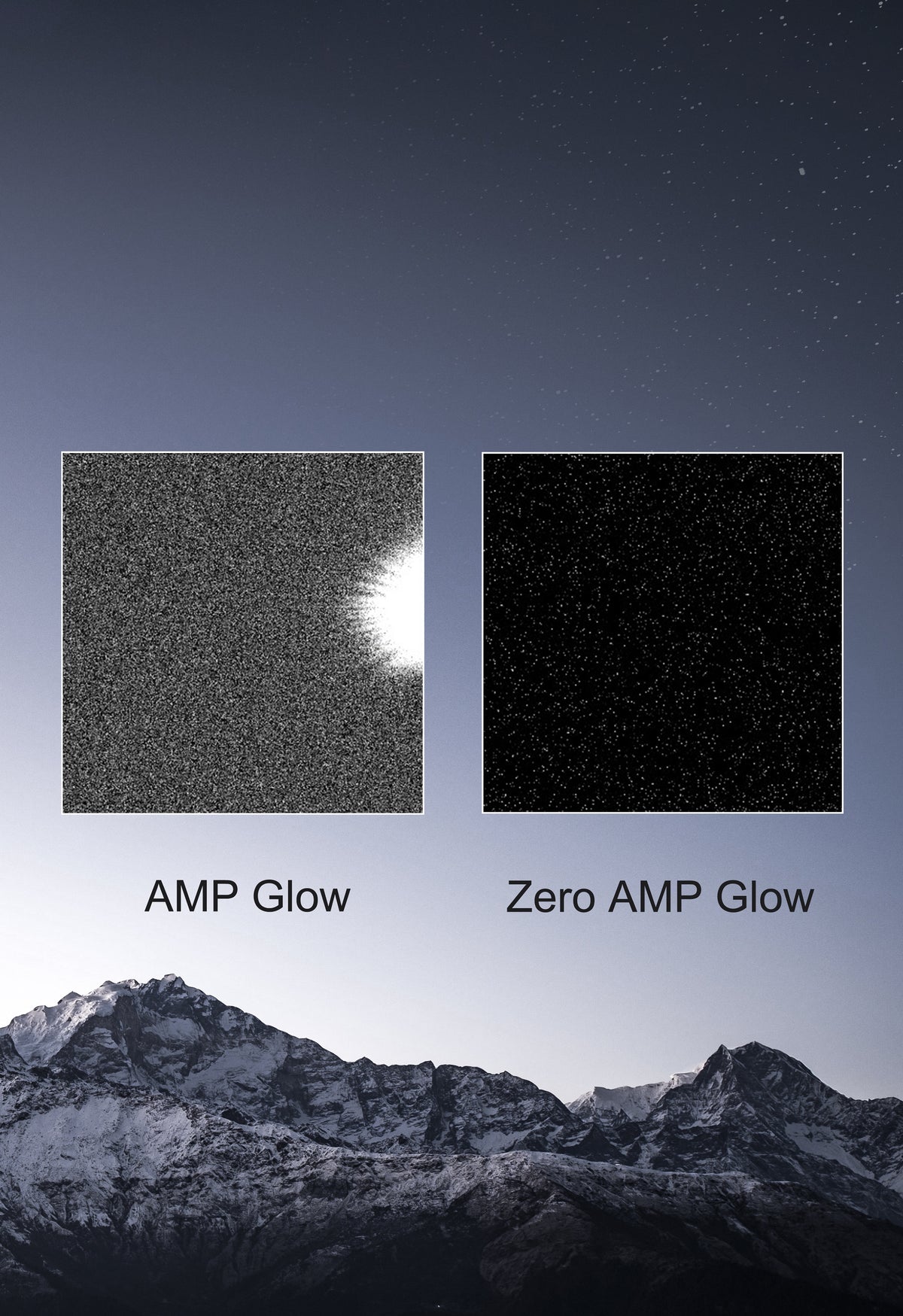
Zero Amp-Glow
The G3M series features advanced circuit architecture that completely eliminates amp-glow at the hardware level. Whether shooting high-frame-rate planetary videos at high gain or longer exposures for autoguiding, your raw frames remain clean, pristine, and artifact-free.

2-in-1 Versatility: Planetary & Guiding
Why buy two cameras when one can do it all? G3M series serves as high-end planetary cameras while doubling as ultra-sensitive auto-guiding cameras for deep-sky astrophotography setups.

Compatible with OAG and Guide Scope
Featuring a standard 1.25" form factor, the G3M series planetary camera seamlessly fits into standard 1.25" focusers, guide scopes, and Off-Axis Guiders (OAGs) from ToupTek Astro and third-party brands, making it an effortless upgrade for any astrophotography imaging train.
Standard & Extended Versions

The Standard Version uses a C-mount for standard accessories and telescopes. The Extended Version uses a CS-mount with a longer front barrel and shorter flange focal distance for broader OAG compatibility. Both versions accept 1.25-inch filters when connected through a 1.25-inch extender.
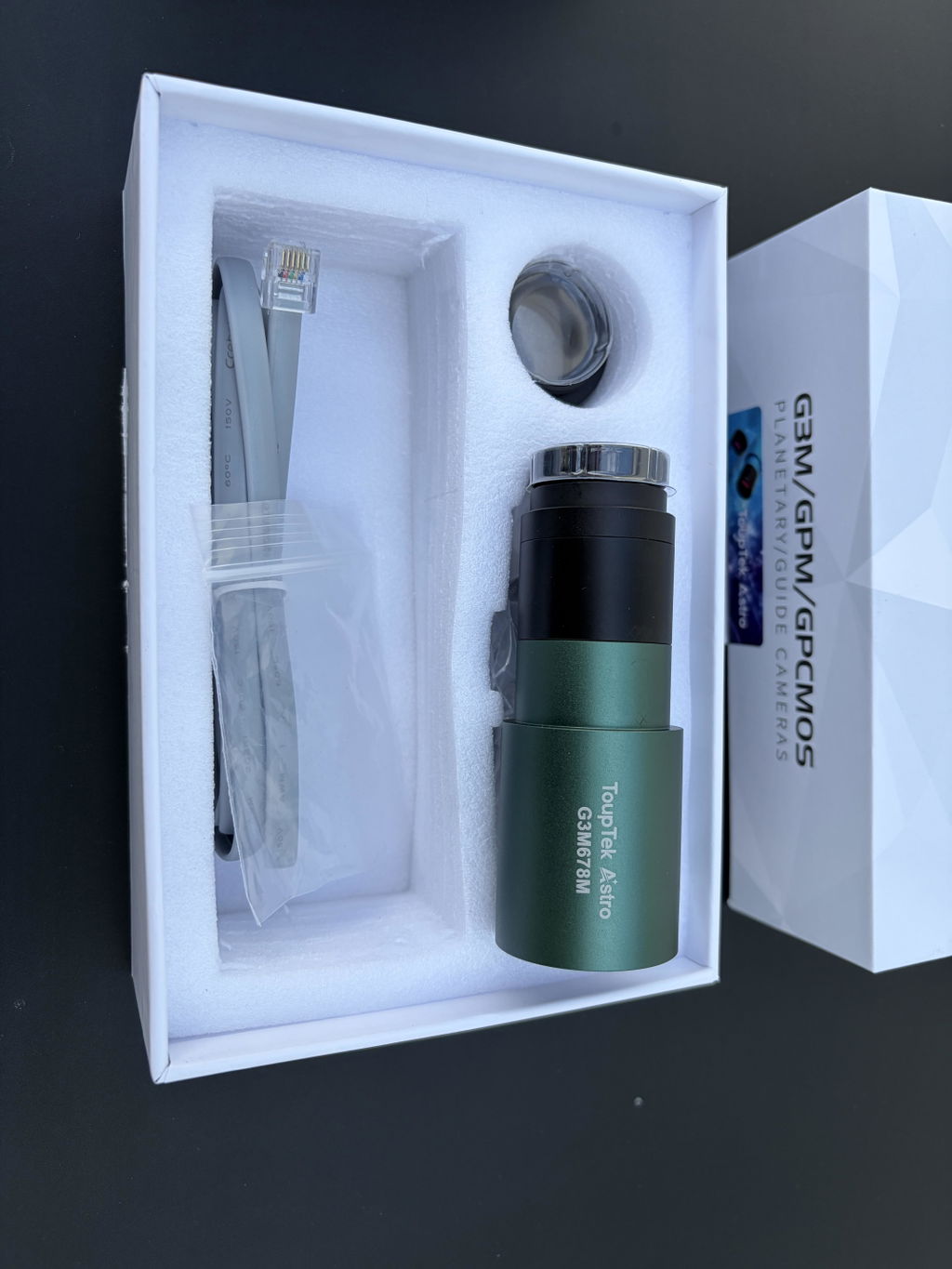
What's in the Box

Frequently Asked Questions
What is the difference between the G3M series and GPM series cameras?
G3M is ToupTek Astro's planetary camera series, designed primarily for high-frame-rate planetary, lunar, and solar imaging. GPM is the guide camera series, designed primarily for autoguiding. Both series can also support selected near-infrared imaging workflows, so choose G3M when high frame rate is the priority and GPM when guiding is the primary task.
What accessories are needed for infrared Milky Way imaging with G3M/GPM cameras?
For infrared Milky Way imaging, prepare an IR-sensitive G3M or GPM camera, a compatible lens, an infrared-pass filter, a stable tripod or support, a laptop, smartphone, or compatible controller for image acquisition, and the required USB data cable. For a G3M camera, remove the front C-mount or CS-mount ring, then install the LP825 filter CS-adapter ring together with the lens.
What is the difference between the Standard Version and Extended Version?
The Standard Version uses a C-mount for standard accessories and telescopes. The Extended Version uses a CS-mount with a longer front barrel and shorter flange focal distance for broader OAG compatibility. Both versions accept 1.25-inch filters when connected through a 1.25-inch extender.
