コレクション: Astronomy Cameras

Astronomy Cameras for Different Targets, Workflows, and Imaging Goals

The Astronomy Cameras collection is designed for a wide range of imaging targets and astronomy workflows. From long-exposure deep-sky imaging and high-frame-rate planetary capture to solar imaging, Milky Way photography, electronically assisted astronomy, and guiding, different cameras provide different combinations of sensor performance, cooling, frame rate, sensitivity, and imaging flexibility.

Multiple Imaging Targets

Explore cameras for the Sun, Moon, planets, stars, the Milky Way, nebulae, galaxies, and guiding applications. Some models can support more than one imaging target or workflow.

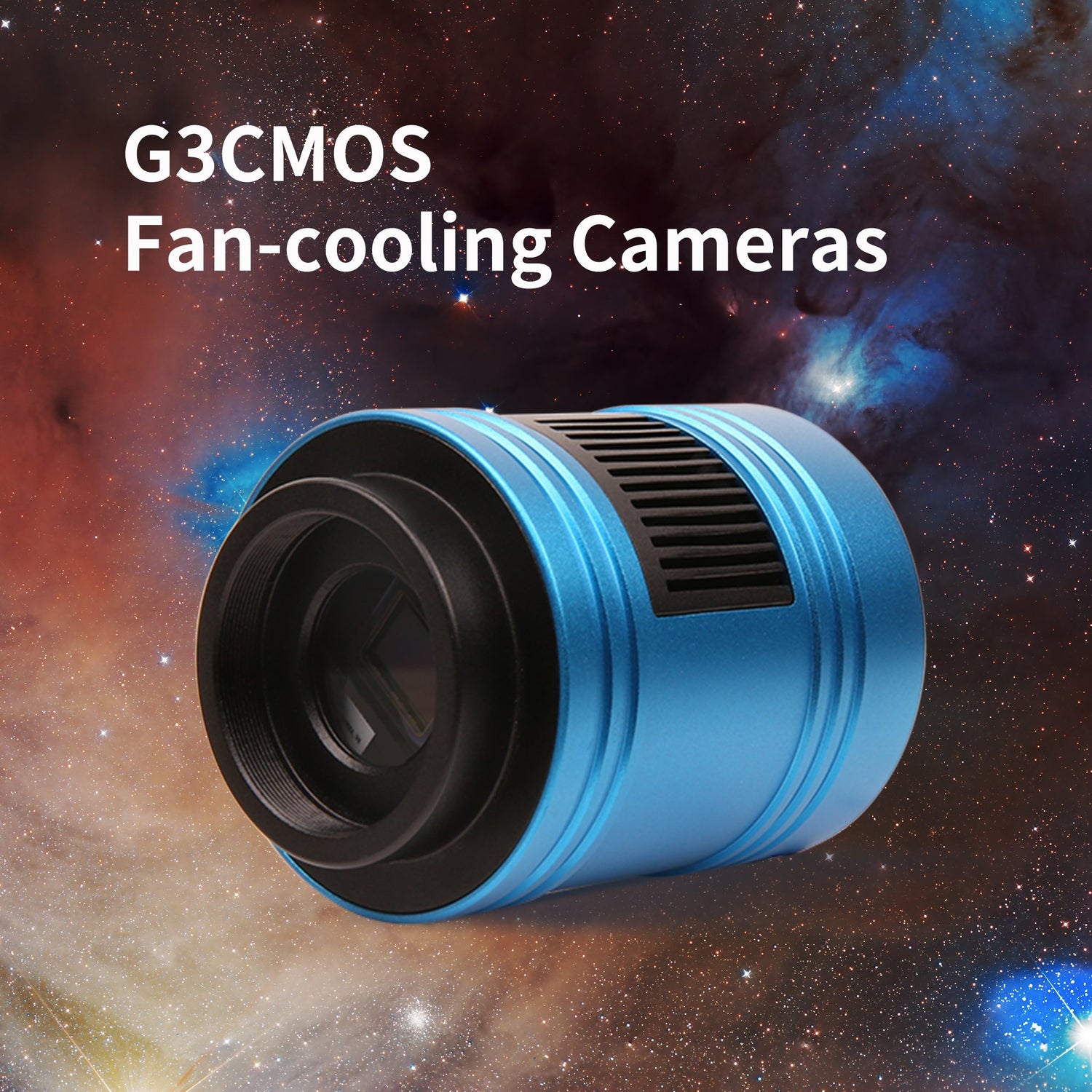
Cooled and Uncooled Options

Choose from cooled cameras designed for stable long-exposure imaging and uncooled cameras optimized for compact, high-speed, or flexible astronomy imaging workflows.

Color and Monochrome Sensors

Color cameras provide a simpler imaging workflow, while monochrome cameras support advanced filter-based imaging and greater control over LRGB and narrowband capture.

How to Choose from This Series

Start with your main imaging target and workflow, then compare cooling, sensor type, frame rate, sensor format, resolution, and pixel size before choosing a camera.

Imaging Goal Camera Features to Consider Key Selection Factors Suitable For
Deep-Sky Imaging Cooling, low read noise, high sensitivity, dynamic range, and long-exposure stability Sensor format, color or monochrome sensor, pixel size, full well capacity, and cooling performance Nebulae, galaxies, star fields, and other long-exposure astronomy targets
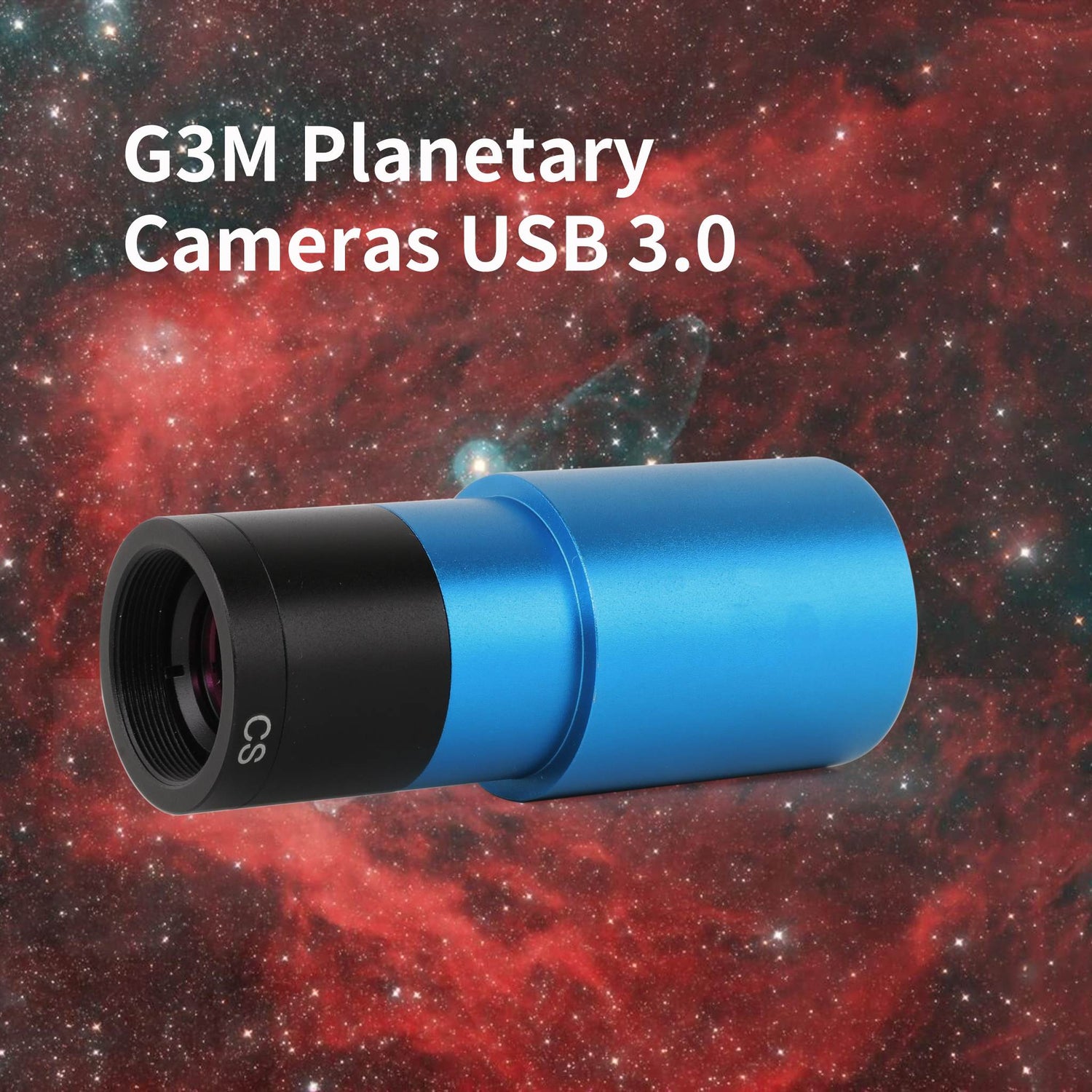
Planetary, Lunar, and Solar Imaging High frame rate, fast data transmission, suitable resolution, and responsive capture performance Frame rate, ROI performance, pixel size, resolution, and imaging scale The Moon, planets, the Sun, and other high-frame-rate imaging applications
Milky Way and Wide-Field Imaging Wide imaging field, suitable sensor format, sensitivity, and flexible capture configuration Sensor size, lens or telescope connection, field of view, portability, and imaging workflow Milky Way photography, wide star fields, and portable astronomy imaging setups
Multi-Purpose Imaging Flexible exposure modes, balanced sensor performance, and support for multiple imaging applications Imaging targets, frame rate, sensor performance, connection options, and software workflow Users who want one camera to support multiple astronomy imaging workflows
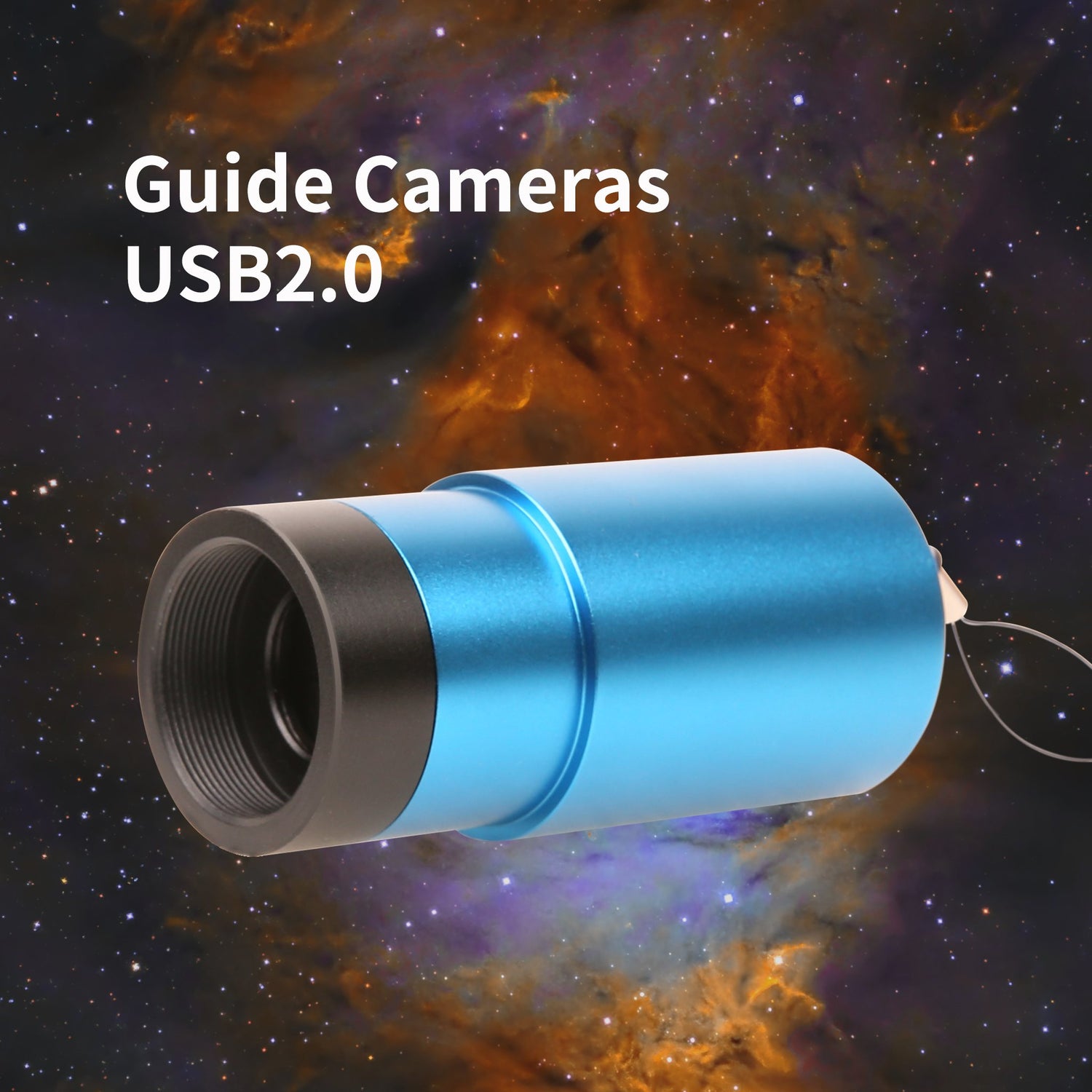
Guiding Compact design, suitable sensitivity, stable frame delivery, and guide system compatibility Guide scope matching, sensor sensitivity, pixel size, connection, and mount workflow Long-exposure tracking support and autoguiding systems

Recommended Camera Selection Flow

  1. Identify your main imaging target, such as the Sun, Moon, planets, Milky Way, nebulae, galaxies, or guiding.
  2. Decide whether your workflow requires long-exposure cooling, high-frame-rate capture, or multi-purpose imaging flexibility.
  3. Choose between a color sensor for a simpler imaging workflow and a monochrome sensor for advanced filter-based imaging.
  4. Compare sensor format, resolution, pixel size, frame rate, read noise, and cooling performance according to your telescope and imaging scale.
  5. Review the individual product specifications and supported imaging applications before selecting the final camera.

Camera Selection Notes

  • A single camera model may support more than one imaging target or astronomy workflow.
  • For long-exposure imaging, review cooling performance, read noise, full well capacity, and sensor stability.
  • For planetary, lunar, or solar imaging, compare frame rate, ROI performance, resolution, and pixel size.
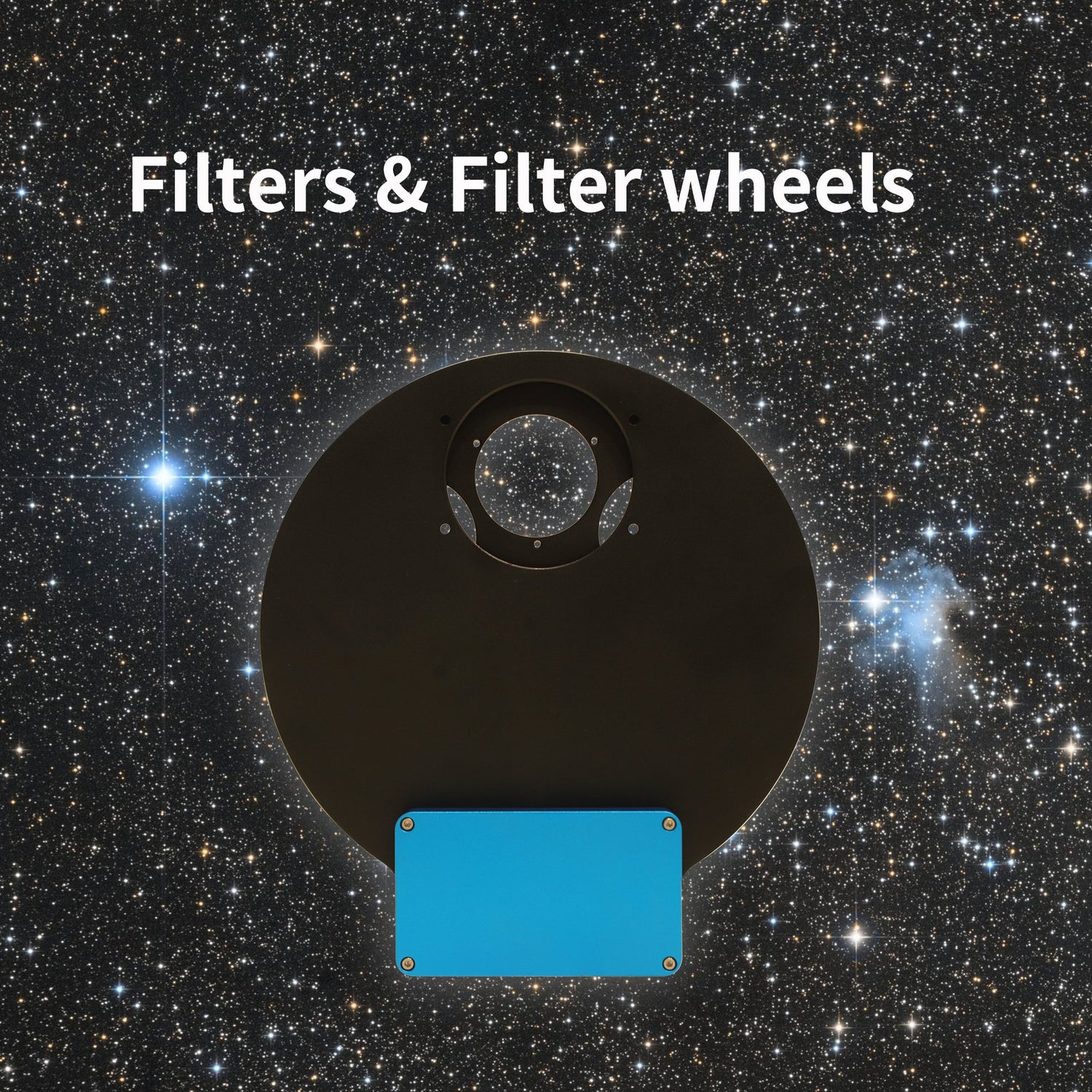
  • For monochrome imaging, consider the filter wheel, filters, adapters, and complete imaging train required for your workflow.
  • Camera compatibility and final imaging performance also depend on the telescope, focal length, mount, control software, and accessory configuration.

Choose a Camera Around Your Imaging Workflow

The right astronomy camera depends on what you want to image and how you plan to capture it. Start with your target, compare the sensor and performance characteristics that matter to your workflow, and review each camera's product specifications before completing your astronomy imaging setup.